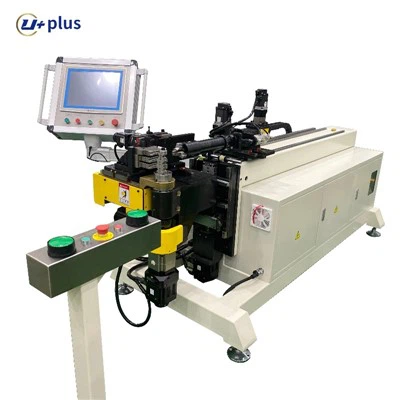
External Cleaning: After each day's work, wipe the machine's exterior with a clean cloth to remove dust, oil, and debris, keeping the machine's appearance neat and tidy. For stubborn stains, use a mild detergent, but be careful to avoid getting the detergent inside the machine. Internal Cleaning: Periodically (e.g., weekly or monthly), remove the machine's protective cover and use compressed air or a vacuum cleaner to remove dust and metal debris from the interior. Pay special attention to removing debris around the mold mounting area, transmission mechanism, and electrical components to prevent them from affecting normal operation.
Lubrication: Identify Lubrication Points: Each moving part of the machine, such as guide rails, lead screws, gears, and chains, requires specific lubrication. The machine's operating manual will typically clearly indicate the location of each lubrication point.
Select the appropriate lubricant: Choose the appropriate lubricant based on the machine's operating environment and requirements. Generally, lithium-based grease is suitable for guide rails and lead screws, while gear oil or chain oil is suitable for gears and chains.
Regular Lubrication: Lubricate all lubrication points regularly according to the machine manufacturer's recommendations. For example, guide rails and lead screws generally require weekly grease application, while gears and chains require lubrication every one to two weeks, depending on operating frequency and environmental conditions.
Mechanical Component Inspection: Before starting the machine daily, inspect the machine's mechanical components for signs of looseness, wear, or damage. Focus on ensuring the mold is securely installed, the drive belt is properly tensioned, and any loose bolts. Replace any components that are severely worn or damaged.
Electrical System Inspection: Regularly check the electrical system for secure connections and any signs of damage or aging. Check all electrical components, such as contactors, relays, and switches, for proper operation and any abnormalities such as overheating or sparking. Also, ensure proper grounding of the equipment to ensure operator safety.
Hydraulic System Inspection: For tube end forming machines with hydraulic systems, regularly check the hydraulic oil level and quality. Maintain the oil level within the normal range, and refill if insufficient. Observe the color and clarity of the hydraulic oil. Replace any turbidity, discoloration, or odor. In addition, check the hydraulic lines for leaks and the proper functioning of the hydraulic valves.
Mold Maintenance, Cleaning, and Rust Prevention: After each use, clean the mold surface of debris and oil to prevent corrosion. Use a dedicated mold cleaner, then apply an appropriate amount of rust-proof oil to prevent rust.
Inspection and Repair: Regularly inspect the mold for wear. Repair or replace any wear, scratches, or deformation. Minor wear can be repaired through grinding or polishing to ensure mold accuracy and longevity.
Other Maintenance: Regular Replacement of Wear Parts: Regularly replace wearing parts such as seals, filter elements, and light bulbs based on equipment usage and their lifespan to ensure proper operation.
Maintain a Clean Work Environment: Keep the work area around the equipment tidy, free of debris, and ensure good ventilation and heat dissipation. Prevent liquids such as water and oil from splashing onto the equipment to prevent electrical failure or corrosion.