Ⅰ. High precision and controllable errors
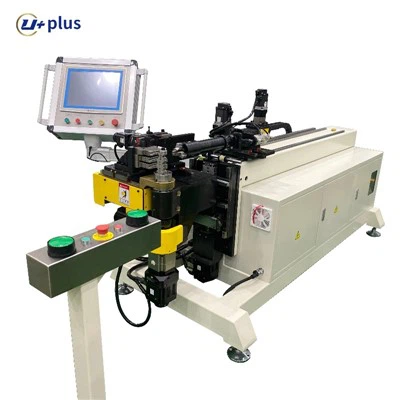
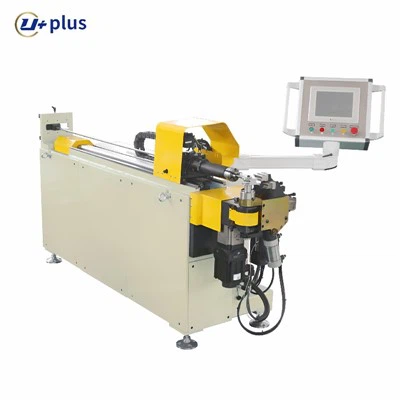
CNC tube bending machines utilize servo motors and closed-loop control systems, achieving bending angle accuracy of ±0.1° and repeatability of ±0.05mm (data source: "Metal Forming Machine Tools" 2023 Industry Report). Traditional manual tube bending typically has an error of more than ±2°, while CNC technology eliminates deviations caused by manual operation through real-time feedback correction. For example, automotive exhaust system pipes require a bending radius error of ≤1%, which only CNC equipment can meet.
Ⅱ. Significantly improved production efficiency
1. Speed advantage: CNC machines can complete 8-12 bends per minute (data reference: TRUMPF Machine Tool Technical Manual), which is 3-5 times faster than manual operation.
2. Continuous operation: Combined with an automatic feeding system, they enable 24-hour uninterrupted production. One home appliance company saw a 220% increase in production capacity after adopting this technology (case study source: "Smart Manufacturing Application White Paper").
Ⅲ. Outstanding Processing Capabilities for Complex Pipe Fittings
It supports multi-angle bending in three dimensions, such as for automotive fuel pipes, air conditioning spiral pipes, and other special-shaped parts. Preset parameters in CAD/CAM software enable the creation of complex trajectories, such as serpentine and S-shaped shapes, with a single click. One aerospace company has used this to consolidate a titanium alloy conduit, which previously required five steps, into a single forming step.
Ⅳ. Automation Reduces Overall Costs
1. Labor Savings: One CNC machine can replace three to four skilled workers, reducing annual labor costs by over 150,000 yuan (according to a 2024 Manufacturing Salary Survey).
2. Consumables Optimization: An intelligent algorithm calculates the minimum waste solution, achieving a material utilization rate of over 92% (compared to 80% for traditional processes).
Ⅴ. Strong Material and Specification Compatibility
It can process a variety of materials, including stainless steel, aluminum alloy, and carbon steel, with pipe diameters typically ranging from 10 to 200 mm (data source: BLM Group product brochure). By changing molds, production requirements can be adjusted within 10 minutes, making it suitable for small-batch customized orders.
VI. Digital Management Improves Quality Control
1. Data Traceability: Each pipe's bending parameters and operator information are automatically archived, supporting QR code traceability.
2. Fault Warning: Sensors monitor motor load and mold wear in real time, achieving a 95% early warning rate (Siemens Industry 4.0 Case Library).