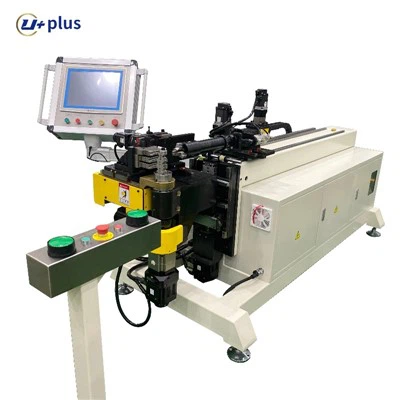
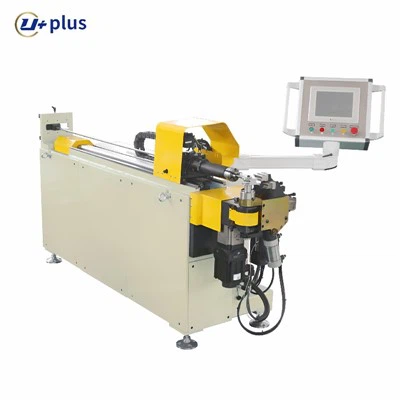
Copper tubes are widely used in air conditioning, refrigeration, HVAC systems, heat exchangers, and industrial equipment because of their excellent thermal conductivity, corrosion resistance, and ductility. In actual production, copper tubes usually go through multiple processes, including cutting, deburring, bending, expanding, reducing, flanging, brazing, cleaning, and leak testing.
If materials, equipment, tooling, or process parameters are not properly controlled, problems such as dimensional deviation, cracking, wrinkling, leakage, and surface damage may occur. These issues can affect product quality and production efficiency. This article introduces common problems in copper tube processing and their solutions.
1. Inconsistent Cutting Length
Copper tube cutting is the first step in processing. If the cutting length is unstable, it will affect subsequent bending, expanding, brazing, and assembly accuracy.
Common Causes
- Insufficient feeding mechanism accuracy
- Loose positioning device
- Severe tool wear
- Manual measurement errors
- Tube slipping or unstable clamping
Solutions
- Use automatic feeding and fixed-length cutting equipment
- Regularly calibrate feeding length and positioning mechanisms
- Check the clamping device to prevent tube slipping
- Replace worn tools in time
- Establish standardized cutting parameters and first-piece inspection procedures
2. Excessive Burrs at Tube Ends
After cutting, burrs can easily appear at the tube ends. Burrs affect expanding, reducing, brazing, and sealing quality, and may also enter the refrigeration system, causing blockage or equipment failure.
Common Causes
- Dull cutting tools
- Improper cutting speed
- Unstable cutting method
- Poor tube clamping
- No timely deburring after cutting
Solutions
- Select suitable cutting methods, such as rotary cutting, automatic cutting, or laser cutting
- Regularly inspect and replace cutting tools
- Control cutting speed and feed rate
- Add internal and external deburring processes
- Use compressed air or nitrogen to clean copper chips inside the tube
3. Bending Angle Deviation
Inaccurate bending angles may cause pipeline assembly difficulty, position interference, or unstable brazing gaps. This is a common problem in air conditioning and refrigeration pipeline processing.
Common Causes
- Insufficient repeat positioning accuracy of equipment
- Improper springback compensation settings
- Inconsistent material hardness
- Tooling wear or installation deviation
- Feeding length or rotation angle errors
Solutions
- Use CNC tube bending equipment to improve angle control accuracy
- Set proper springback compensation according to material and specifications
- Regularly calibrate the bending machine and feeding mechanism
- Check the condition of bending dies, clamping dies, and pressure dies
- Conduct first-piece confirmation and in-process sampling during mass production
4. Wrinkling During Bending
During copper tube bending, the inner side of the tube is compressed and may wrinkle. Wrinkling affects not only appearance, but also refrigerant flow and pipeline reliability.
Common Causes
- Bending radius is too small
- Tube wall is too thin
- Improper wiper die position
- Insufficient mandrel support
- Improper clamping pressure or bending speed
Solutions
- Increase the bending radius appropriately
- Use mandrel support for thin-wall tubes
- Adjust the wiper die position
- Optimize clamping pressure and bending speed
- Select bending tooling suitable for the tube diameter and wall thickness
5. Cracking at the Bend
During bending, the outer side of the copper tube is stretched. If material ductility is insufficient or bending parameters are improper, cracking may occur.
Common Causes
- Copper tube hardness is too high
- Insufficient material ductility
- Bending radius is too small
- Excessive stretching of the outer wall
- Existing scratches or defects on the surface
Solutions
- Select copper tube material conditions suitable for bending
- Perform annealing when necessary to improve material ductility
- Avoid excessively small bending radii
- Check the tube surface and avoid processing tubes with defects
- Optimize bending speed and tooling matching
6. Wall Thinning or Oval Deformation
During bending, the outer wall of the copper tube may become thinner, and the cross-section may change from round to oval. Excessive deformation affects flow rate, strength, and assembly accuracy.
Common Causes
- Bending radius is too small
- Insufficient wall thickness
- Incorrect mandrel position
- Excessive tooling clearance
- Bending speed is too fast
Solutions
- Select a reasonable bending radius and wall thickness
- Use a mandrel to support the inside of the tube
- Adjust the mandrel extension position
- Check whether the tooling groove matches the copper tube outer diameter
- Control bending speed to reduce local deformation
7. Cracking During Expanding
Expanding is used for copper tube connection and subsequent brazing. If cracking occurs during expanding, the part may be scrapped or create a leakage risk.
Common Causes
- Tube material hardness is too high
- Expanding amount is too large
- Tube end burrs are not removed
- Tooling surface is rough or worn
- Tube end face is uneven
Solutions
- Remove tube end burrs before expanding
- Control expanding size and expanding angle
- Select suitable expanding tooling
- Anneal hard copper tubes when necessary
- Ensure the tube end face is flat and clean
8. Eccentricity or Deformation During Reducing
Reducing is a common tube end forming process for copper tube connections. If reducing is unstable, it will affect assembly clearance and brazing quality.
Common Causes
- Insufficient tooling concentricity
- Inaccurate tube positioning
- Uneven clamping force
- Reducing amount is too large
- Uneven tube wall thickness
Solutions
- Check the concentricity of reducing tooling
- Improve copper tube positioning accuracy
- Control reducing amount properly
- Adjust clamping pressure to avoid uneven loading
- Inspect incoming tube dimensional consistency
9. Surface Scratches or Dents
Surface scratches and dents not only affect appearance, but may also become hidden risks for later cracking, corrosion, or leakage.
Common Causes
- Impurities or wear on tooling surfaces
- Excessive clamping force
- Severe friction during feeding
- Improper workpiece stacking
- Damage during manual handling
Solutions
- Regularly clean and maintain tooling surfaces
- Adjust clamping pressure
- Improve feeding guide and support structures
- Use protective trays or soft separation materials
- Standardize workpiece transfer and handling methods
10. Brazing Leakage
Brazing leakage is a serious issue in air conditioning and refrigeration systems, directly affecting product reliability and after-sales risk.
Common Causes
- Unstable fitting clearance between components
- Oil or oxide layers on the surface before brazing
- Heating temperature is too low or too high
- Insufficient filler metal flow
- Unstable brazing time
- Poor consistency in manual operation
Solutions
- Ensure consistent expanding and reducing dimensions
- Clean oil and oxide layers before brazing
- Control heating temperature and time
- Select proper filler metal and flux
- Use automated brazing or induction brazing equipment
- Perform air tightness testing and visual inspection after brazing
11. Internal Impurity Residue
Copper chips, oil, moisture, or oxides remaining inside copper tubes can affect refrigeration system operation. In serious cases, they may cause blockage or compressor damage.
Common Causes
- No cleaning after cutting
- Incomplete deburring
- Oil contamination during processing
- Oxide residue after brazing
- Tube ends not sealed before packaging
Solutions
- Perform blowing and cleaning after cutting and deburring
- Use compressed air, nitrogen, or ultrasonic cleaning
- Control cleanliness in the processing area
- Clean residues after brazing in time
- Seal tube ends after cleaning to prevent contamination
12. Poor Dimensional Consistency
In mass production, large dimensional fluctuations can cause assembly difficulties, more rework, and lower product yield.
Common Causes
- Unstable equipment accuracy
- Tooling wear
- Non-standardized parameters
- Large differences in manual operation
- Lack of in-process inspection
Solutions
- Use high-precision automated processing equipment
- Establish standardized process parameters
- Regularly maintain equipment and tooling
- Add first-piece inspection and patrol inspection
- Use gauges, 3D inspection, or online inspection systems
13. How to Systematically Reduce Copper Tube Processing Problems
Copper tube processing problems are usually not caused by a single factor. They are often the result of materials, equipment, tooling, parameters, and management working together.
Manufacturers can improve systematically through the following measures:
- Select stable copper tube materials and reliable suppliers
- Use high-precision cutting, bending, and tube end forming equipment
- Match dedicated tooling according to tube diameter, wall thickness, and product structure
- Establish a standardized process parameter database
- Strengthen first-piece inspection, in-process patrol inspection, and final inspection
- Regularly maintain tools, tooling, and equipment
- Use automated production lines to reduce manual errors
- Track data and analyze quality for key processes
Conclusion
Common problems in copper tube processing include inconsistent cutting length, excessive burrs, bending angle deviation, wrinkling, cracking, oval deformation, cracking during expanding, eccentric reducing, surface scratches, brazing leakage, and internal impurity residue.
To improve copper tube processing quality, manufacturers need to optimize material selection, equipment accuracy, tooling design, parameter control, surface cleaning, brazing quality, and process inspection.
For the air conditioning, refrigeration, and HVAC industries, automated copper tube processing equipment and standardized process flows can effectively reduce defect rates, improve product consistency, and increase overall production efficiency.